Key Takeaways
- A pool sand filter removes dirt and suspended particles as water passes through specialized filter media inside the tank.
- Backwashing cleans the filter by reversing water flow and sending trapped debris through the waste line, making maintenance relatively simple.
- Sand filters are durable and convenient, but they may not capture particles as finely as DE filters and can use water during backwashing.
- Proper sizing, pressure monitoring, regular backwashing, balanced water chemistry, and debris removal help maintain filter performance.
- A sand filter may be right for homeowners who want straightforward maintenance, but cartridge or DE filtration may better suit different water-quality and maintenance needs.
A swimming pool depends on more than just clean water and regular chemical treatments to stay healthy and enjoyable. The filtration system plays a major role in removing dirt, debris, oils, and other unwanted particles from the water. Among the different filtration options available, sand filters remain a popular choice because they are relatively simple, durable, and easy to maintain.
But is a sand filter the right choice for every swimming pool?
The answer depends on the pool’s size, circulation system, maintenance preferences, water quality goals, and the type of filtration performance you expect. Aloha Custom Pools can also help homeowners evaluate their pool filtration needs and choose an option that fits their specific pool and maintenance goals.
A Pool Sand Filter uses specially graded filter media to capture impurities as pool water passes through the tank. Instead of relying on a disposable cartridge, the system allows trapped debris to be removed through a cleaning process called backwashing.
Before choosing or replacing a filtration system, it is important to understand how the equipment works, what maintenance it requires, and whether it fits your pool’s overall circulation system.
Not sure which filtration system is suitable for your pool? A professional evaluation of your pool size, pump, plumbing, and water-quality needs can help you make an informed decision before investing in new equipment.
How Does a Pool Sand Filter Work?
A sand filter operates as part of the pool’s circulation system. Water is pulled from the pool by the circulation pump and directed into the filter tank.
Inside the tank is a bed of specialized filter media. As water moves through the media, suspended particles become trapped between the grains. The cleaner water then travels through the internal filter components and returns to the swimming pool.
The process is continuous while the circulation system is operating.
Over time, dirt and debris accumulate inside the filter media. As this happens, the pressure inside the filter can increase and water flow may become less efficient. This is when the filter needs to be cleaned through backwashing.
What Is Backwashing?
Backwashing reverses the normal flow of water through the filter.
Instead of sending water through the filter from the top down, the system sends water upward through the filter media. This loosens trapped debris and carries it out through the waste line.
Once the backwashing process is complete, the filter is returned to its normal operating position.
This process is one of the reasons sand filtration is attractive to many pool owners. Rather than removing and manually cleaning a cartridge every time the filter becomes dirty, the sand filter can be cleaned through the pool’s plumbing system.
Are There Any Disadvantages to Sand Filters?
Although sand filters have several benefits, they are not perfect for every pool.
One consideration is filtration precision. Sand filters generally allow some very small particles to pass through compared with certain alternative filtration systems.
This does not necessarily mean the pool will be dirty. Proper circulation, chemical balance, cleaning, and filtration all work together to maintain water quality.
How Do Water Features Affect Filtration?
Water features can add visual appeal and movement to a pool, but they can also influence circulation requirements.
Features such as waterfalls, fountains, jets, and spillways may require additional pumps or dedicated plumbing.
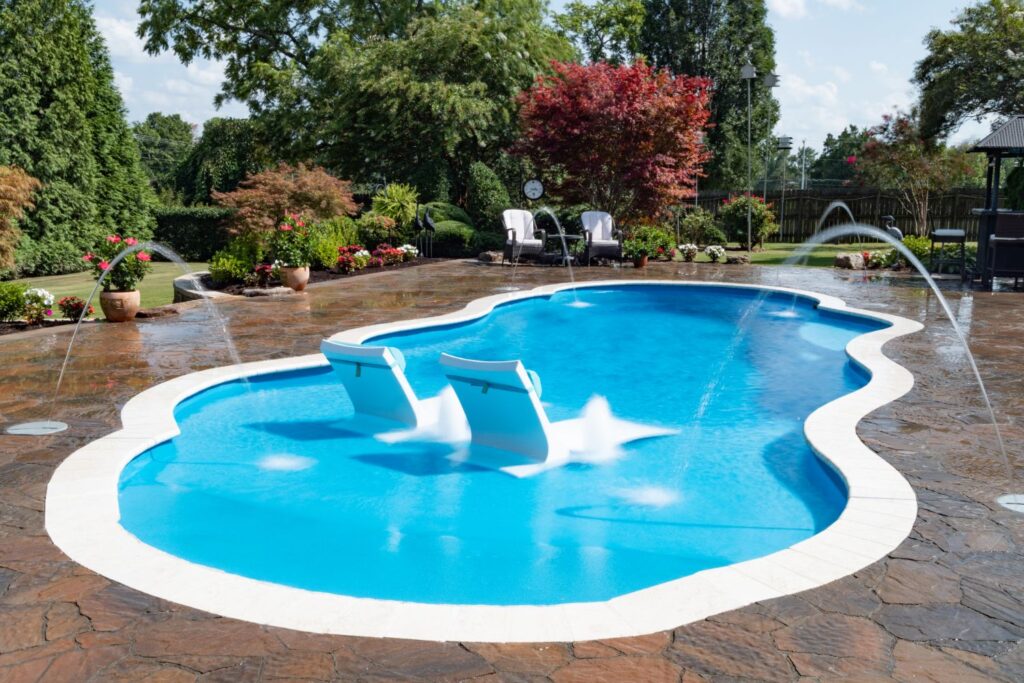
If a pool includes swimming pool water features, the filtration and circulation system should be evaluated as a complete setup. A filter and pump that are adequate for a basic pool may need different specifications when additional water systems are included.
Properly designed circulation helps ensure that water continues moving effectively throughout the pool and associated features.
Sand Filter vs. DE Filter
Diatomaceous earth, or DE, filters are designed to provide very fine filtration. They can capture smaller particles than many traditional sand filters.
However, DE systems generally involve more maintenance and require careful handling of the filter media.
For homeowners who prioritize simple operation, a sand filter may be preferable. Those seeking very fine filtration may consider DE filtration instead.
The right choice should be based on the pool’s specific requirements rather than simply choosing the filtration system with the highest filtration capability.
When Should a Sand Filter Be Cleaned?
Unlike a cartridge that is manually removed for cleaning, a sand filter is cleaned through backwashing.
The filter pressure gauge is one of the most useful indicators. As debris accumulates in the filter media, pressure generally rises above the normal operating level.
Homeowners should follow the manufacturer’s recommendations for determining when backwashing is necessary.
Backwashing too frequently can waste water, while waiting too long can reduce circulation efficiency.
After backwashing, the system may also need to be rinsed before returning it to its normal filtration setting.
Keeping your sand filter clean is an important part of maintaining efficient pool circulation and water quality. Learn more about regular pool maintenance with Aloha Custom Pools and discover how routine care can help keep your pool system running smoothly.
How Long Does Sand Filter Media Last?
The filter media does not last forever.
Over time, sand can become worn, compacted, or coated with contaminants. Its filtration performance may gradually decline.
The expected lifespan depends on the type of media, water chemistry, maintenance routine, filter design, and operating conditions.
Rather than replacing the media based solely on a calendar date, homeowners should monitor filtration performance and follow the equipment manufacturer’s recommendations.
Signs that the media may need attention can include persistent cloudy water, unusual pressure behavior, or reduced filtration performance despite proper maintenance.
Is a Sand Filter Suitable for Different Pool Types?
Sand filtration can be used with different types of swimming pools when the equipment is properly sized and installed.
For a custom in-ground pool, the filtration system can be selected as part of the overall circulation and equipment design.
Homeowners considering different installation configurations can also discuss filtration requirements with a semi-inground pool company to determine how equipment should be sized and positioned.
When Should You Consider Replacing a Sand Filter?
A sand filter does not necessarily need replacement simply because it is old.
If the tank remains structurally sound and the system operates effectively, maintenance or replacement of the filter media may be enough.
However, replacement may become appropriate if the tank is damaged, internal components have failed, the system is consistently underperforming, or replacement parts are difficult to obtain.
Persistent filtration problems can also indicate that the existing filter is improperly sized for the pool.
How to Maintain a Sand Filter Properly
Regular maintenance can help maximize filtration performance and equipment lifespan.
Monitor the filter pressure regularly and become familiar with its normal operating range. Clean the filter through backwashing when appropriate, and follow the manufacturer’s instructions for the correct backwash and rinse procedure.
The pool should also be kept free from excessive debris. Skimming leaves and other material from the water reduces the amount of contamination entering the filtration system.
Proper chemical balance is equally important. Poor water chemistry can contribute to scaling, buildup, and other issues that affect pool equipment.
Routine professional inspections can provide another layer of protection, particularly when the pool experiences recurring circulation or water-quality problems.’
What About Commercial Pools?
Commercial pools typically have greater usage and more demanding operational requirements than many residential pools.
Higher bather loads can introduce more contaminants into the water, increasing the importance of reliable filtration and circulation.
When evaluating filtration for larger facilities, commercial pool contractors can help determine equipment requirements based on pool size, usage, circulation demands, and applicable operational standards.
Commercial filtration decisions should always consider the facility’s specific requirements rather than simply choosing equipment based on residential applications.
Is a Pool Sand Filter Right for Your Pool?
A sand filter can be an excellent option for homeowners who want a durable and relatively straightforward filtration system.
It can provide reliable filtration, simple backwashing, and long-term service when properly sized and maintained.
However, it is not automatically the best option for every pool. Cartridge and DE filtration systems may be preferable depending on filtration requirements, maintenance preferences, water conservation priorities, and system design.
Not sure which pool filtration system is the right fit for your needs? Talk with our expert service and repair team and get help choosing a filtration solution that works for your pool and maintenance preferences.
Final Thoughts
A sand filter is a proven filtration option that can help homeowners maintain clear and enjoyable pool water without an overly complicated maintenance routine.
Its basic operating principle is straightforward: pool water passes through filter media, contaminants become trapped, and backwashing removes the accumulated debris.
Whether a sand filter is right for your pool depends on your specific needs. For many residential pools, it offers a practical balance of durability, maintenance convenience, and filtration performance.
Frequently Asked Questions
1. How often should a pool sand filter be backwashed?
Backwash when the filter pressure gauge reads 8–10 psi above the clean, normal operating pressure, not on a fixed schedule. Typical frequency ranges from every 2–6 weeks in peak season, depending on bather load, debris, weather, and water chemistry. Over-backwashing wastes water; under-backwashing reduces flow and clarity. Always follow your manufacturer’s specific guidance and include a short rinse cycle after backwashing.
2. How long does pool filter sand last?
Filter sand typically lasts 5–7 years before needing replacement, though lifespan varies with water chemistry, maintenance, usage, and media quality. Over time, sand grains become worn, rounded, or coated with oils/scale, reducing filtration efficiency. Signs it’s time to replace include persistent cloudy water, abnormal pressure behavior, or poor clarity despite proper backwashing and balanced chemistry.
3. Is a sand filter better than a cartridge filter?
Neither is universally better, sand filters excel in easy backwash cleaning and durability, while cartridge filters offer finer filtration and no backwash water waste. Sand systems are simple, robust, and handle high debris loads well but may allow more fine particles through. Cartridge filters capture smaller particles and save water but require manual cleaning/replacement and can clog faster in dirty conditions. Choose based on your maintenance preferences, water goals, and local water restrictions.
4. Can a sand filter make cloudy pool water clear?
Yes, a properly functioning sand filter can clear cloudiness caused by suspended particles, but only if circulation, chemistry, and filter condition are all adequate. If cloudiness persists after backwashing, check pH (7.4–7.6), chlorine/alkalinity, and run the pump longer for full turnover. Consider a clarifier or flocculant for fine particulates, and inspect for algae, dirty media, or channeling in the sand bed.
5. Can I install a larger sand filter for better filtration?
Not automatically; oversizing can cause low flow velocity, poor backwash efficiency, and mismatched pump performance. The filter must be correctly matched to pump GPM, plumbing size, pool volume, and turnover requirements. A properly sized system ensures optimal pressure, flow, and filtration; consult a pro or use manufacturer sizing charts before upgrading.
6. What are the signs my sand filter needs maintenance or replacement?
High pressure that doesn’t drop after backwashing, cloudy water, reduced flow, channeling (water bypassing sand), or visible sand in the pool indicate issues. For maintenance: backwash when pressure rises 8–10 psi, rinse after backwash, and keep chemistry balanced. For replacement: look for cracked tanks, broken laterals, persistent poor performance, or sand older than 5–7 years with declining results.
7. How do I properly backwash a sand filter?
Turn the pump off, set the multiport valve to “Backwash,” turn the pump on until sight glass runs clear (2–3 minutes), then switch to “Rinse” for 30–60 seconds before returning to “Filter.” Always monitor pressure and waste line flow during the cycle. Follow your valve’s specific markings and manufacturer steps to avoid damaging internal components or losing excessive water.
8. Does a sand filter remove algae from pool water?
It can trap dead algae particles after treatment, but it won’t kill or fully remove live algae on its own. First shock the pool and brush surfaces to kill algae, then run the filter continuously and backwash as needed. For severe cases, use a flocculant to clump particles for vacuum-to-waste, since sand filters may pass fine algae spores.
9. What type of sand should I use in a pool sand filter?
Use only #20 silica sand (0.45–0.55 mm grain size) specifically graded for pool filters, never play sand or ungraded substitutes. Incorrect sand can cause poor filtration, channeling, or damage to laterals. Some owners upgrade to zeolite or glass media for finer filtration, but verify compatibility with your filter model and adjust backwash procedures accordingly.
10. When should I replace my sand filter tank instead of just the sand?
Replace the entire tank if it’s cracked, leaking, has broken internal laterals/manifolds, or shows corrosion that compromises structural integrity. If the tank is sound but performance is poor after fresh sand and proper maintenance, consider upgrading to a larger or more efficient model only after verifying pump and plumbing compatibility. Most tanks last 10+ years with care.