Key Takeaways
- Pool repair is usually suitable when the damage is localized and the structure, plumbing, and major equipment remain in good condition.
- Replacement or major renovation may make more sense when the pool has widespread structural damage, recurring leaks, aging systems, or frequent repair needs.
- Pool surface deterioration may require resurfacing, while damaged or aging vinyl liners can often be replaced without rebuilding the entire pool.
- Repair costs should be compared with long-term maintenance, efficiency, reliability, appearance, and the expected lifespan of the existing pool.
- A professional inspection can help determine whether repair, renovation, equipment upgrades, or full replacement offers the best long-term value.
Owning a swimming pool provides a place to relax, exercise, and spend time with family and friends, but like any major feature of a property, a pool requires ongoing maintenance. Over time, cracks, leaks, damaged surfaces, worn equipment, aging liners, and other problems can develop.
When a pool starts showing signs of deterioration, one of the biggest questions homeowners face is whether they should repair the existing pool or consider replacing it. The answer is not always straightforward. A minor problem may be relatively simple to correct, while extensive structural or equipment damage could make a larger renovation or replacement more practical.
The age of the pool, type of construction, extent of damage, maintenance history, appearance, and future plans for the property should all be considered before making a decision.
Not sure whether your pool needs a repair or a more extensive solution? A professional inspection can help identify the condition of the structure, equipment, surfaces, and plumbing before you commit to major work.
What Is the Difference Between Pool Repair and Replacement?
Pool repair generally involves addressing a specific problem while keeping the majority of the existing pool intact.
For example, a professional may repair a crack, replace a damaged component, fix a leak, restore a section of the surface, or replace a worn pump.
Pool replacement or major renovation is more extensive. Depending on the pool’s condition, it may involve replacing significant portions of the structure, resurfacing large areas, changing the liner, replacing plumbing, or redesigning the pool entirely.
Repair is usually focused on restoring the existing system. Replacement provides an opportunity to address multiple problems and potentially modernize the pool.
When Does Pool Replacement Make More Sense?
Replacement or major renovation becomes more attractive when problems are widespread rather than isolated.
A pool that has accumulated numerous issues over many years may require so many individual repairs that continuing to fix one problem at a time becomes inefficient.
Extensive Structural Damage
Significant structural deterioration can be a reason to consider more extensive work.
If the pool shell has substantial damage or persistent structural problems, repeatedly repairing small sections may not provide the long-term reliability a homeowner wants.
The underlying cause of the damage should always be investigated before deciding on replacement.
An Aging Pool
Age does not automatically mean a pool needs replacement. However, older pools may contain several components that are approaching the end of their useful service lives at the same time.
For example, an older pool may have aging plumbing, outdated equipment, deteriorating surfaces, and a worn liner.
When several major components need attention simultaneously, a larger renovation or replacement may offer better long-term value.
Is your older pool showing signs of aging or developing multiple problems at once? Learn how Aloha Custom Pools can help restore your pool’s condition and determine whether repairs, renovation, or replacement is the right long-term solution.
Repeated Repairs
A repair history can provide important information.
If the same problems keep returning or you are regularly paying for different repairs, it may be time to step back and evaluate the entire pool.
Instead of asking, “How much will the next repair cost?” homeowners should also ask, “How much more am I likely to spend maintaining this pool over the next several years?”
How Pool Surface Condition Affects the Decision
The interior surface of a pool can deteriorate with age and exposure to chemicals, water, weather, and regular use.
Depending on the pool construction, resurfacing may be possible without replacing the entire structure.
If the surface has widespread discoloration, roughness, cracking, peeling, or other deterioration, resurfacing may provide a significant improvement.
However, surface problems should be distinguished from structural problems. A new finish cannot correct a major underlying structural defect.
A professional assessment can help determine whether resurfacing, localized repair, or more extensive renovation is appropriate.
Should You Repair or Replace a Pool Liner?
For pools that use vinyl liners, the condition of the liner is an important consideration.
Small liner damage may sometimes be repairable. However, an old liner with widespread fading, brittleness, stretching, tears, or repeated leaks may be approaching the point where replacement is more practical.
A liner replacement can also change the appearance of the pool without requiring complete structural reconstruction.
When considering replacement, homeowners may want to work with experienced pool liner installers who can evaluate the existing liner and determine whether repair or replacement is appropriate.
How Pool Equipment Affects Repair Costs
Pool equipment can represent a significant portion of ongoing maintenance.
A pump, filter, heater, automation system, or other component may eventually require repair or replacement.
Replacing one outdated component does not necessarily mean the entire pool needs to be replaced. However, if multiple systems are old and inefficient, upgrading them together during a larger renovation may be worth considering.
A professional can assess compatibility and determine whether existing plumbing and electrical systems can support new equipment.
How Water Features Affect Pool Renovation Decisions
Additional features can also influence renovation complexity.
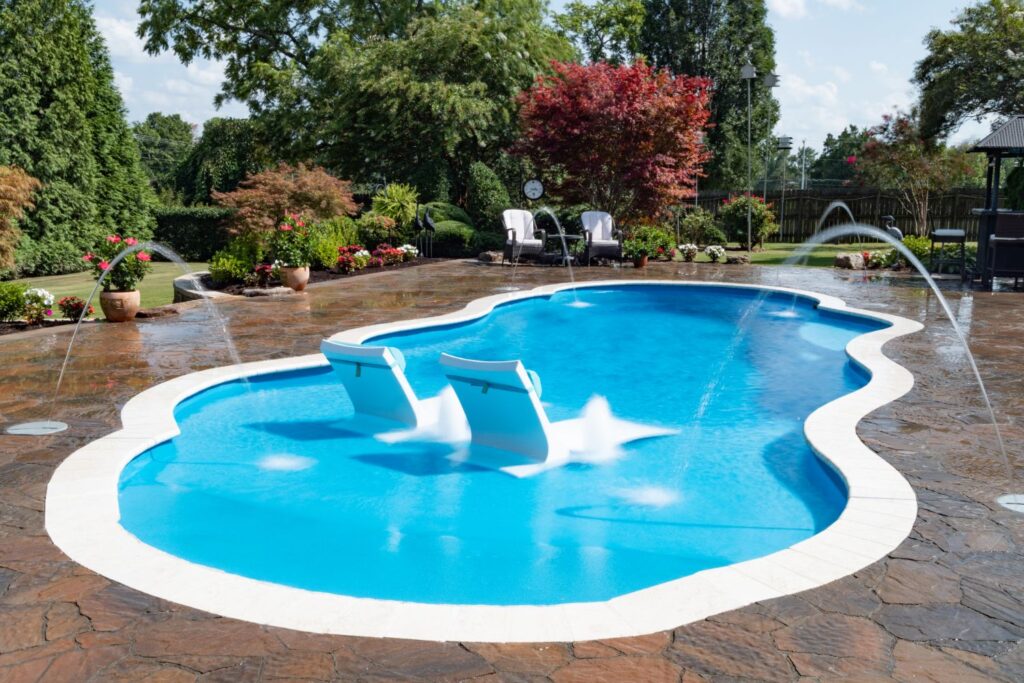
Waterfalls, fountains, jets, lighting, and other swimming pool water features may require additional plumbing, pumps, controls, or electrical components.
If these systems are functioning well, they may be retained during a renovation. If they are outdated or repeatedly failing, the renovation may be an opportunity to redesign or replace them.
The more complex the pool system, the more important it becomes to evaluate all components together rather than treating each problem separately.
When Repair Costs Start Adding Up
One repair may not be a major financial concern. Several repairs over a short period can tell a different story.
For example, imagine a pool that needs a new pump one year, plumbing work the following year, surface repairs after that, and then a liner replacement.
Each individual repair might be justified, but the combined cost could eventually approach the investment required for a larger renovation.
This does not mean homeowners should automatically replace a pool after several repairs. Instead, recurring costs should be evaluated as part of the larger decision.
What About Above-Ground Pools?
Above-ground pools have different construction characteristics from many in-ground installations.
For above-ground installed pools, repairs may involve the liner, frame, fittings, pump, filter, or other components depending on the design.
Some problems may be relatively straightforward to correct, while significant structural damage may make replacement more practical.
The same principle applies: identify the specific failure, determine the condition of the remaining system, and compare the expected repair cost with replacement.
How to Extend the Life of Your Pool
Whether you choose repair or replacement, proper maintenance is essential.
Regularly monitor water chemistry, clean filters and baskets, inspect visible equipment, and watch for changes in water levels.
Address small leaks and equipment problems promptly. Delaying maintenance can allow minor issues to develop into larger and more expensive problems.
Keep the pool area clean and avoid unnecessary stress on surfaces, liners, equipment, and plumbing.
Professional inspections can also help identify problems that may not be obvious to homeowners.
A Practical Way to Make the Decision
There is no universal answer to whether pool repair or replacement is better.
Repair generally makes sense when the pool remains structurally sound and the problem is localized. Replacement or major renovation becomes more compelling when the pool has widespread deterioration, recurring failures, outdated systems, or no longer meets the homeowner’s needs.
Cost should be part of the decision, but it should not be the only factor.
Reliability, future maintenance, efficiency, appearance, functionality, and expected lifespan all matter.
Getting a professional assessment before making a major investment can help you understand the actual condition of the pool and avoid spending money on repairs that may only provide a short-term solution.
Not sure whether your pool needs a repair, renovation, or complete replacement? Schedule a consultation with Aloha Custom Pools for a professional assessment and get practical guidance based on your pool’s condition, long-term needs, and budget.
Final Thoughts: Pool Repair or Pool Replacement?
Choosing between repairing and replacing a swimming pool is ultimately a decision about condition, cost, functionality, and long-term value.
A pool with a minor leak, damaged pump, isolated surface problem, or other localized issue may be a strong candidate for repair. On the other hand, an aging pool with extensive structural damage, outdated equipment, repeated leaks, deteriorating surfaces, and frequent repair bills may benefit from a larger renovation or replacement.
Frequently Asked Questions
1. When should I repair my pool instead of replacing it?
Repair is best when damage is localized, like a single crack, small leak, worn pump, or isolated surface issue, and the pool’s structure, plumbing, and major systems remain sound. If the shell is intact, equipment is relatively new, and problems are infrequent, targeted repairs offer cost-effective, long-lasting results. A professional inspection confirms whether issues are superficial or symptomatic of deeper failure.
2. When does pool replacement make more sense than repair?
Replacement or major renovation is smarter when there’s widespread structural damage, recurring leaks, aging plumbing/equipment, frequent repairs, or severe surface/liner deterioration. If multiple systems fail simultaneously or repair costs approach 50%+ of replacement value over 2–3 years, investing in a new or fully renovated pool often delivers better reliability, efficiency, and resale value.
3. How do I know if my pool’s structural damage is serious?
Serious structural damage includes large or spreading cracks, bulging walls, shifting floors, persistent leaks that return after repair, or water loss exceeding normal evaporation. Hairline surface cracks may be cosmetic, but deep, widening, or leaking cracks in the shell suggest compromised integrity. A professional pressure test, dye test, or structural assessment is essential before deciding on repair vs. replacement.
4. Is it better to resurface or replace an old pool?
Resurface if the shell is structurally sound but the interior finish is stained, rough, cracked, or peeling; replace if there’s underlying structural failure, major plumbing issues, or repeated resurfacing failures. Resurfacing (plaster, quartz, tile, or liner) refreshes appearance and watertightness at a fraction of replacement cost. However, new plaster won’t fix shifting foundations or leaking plumbing, address root causes first.
5. Should I repair or replace a torn or aging vinyl liner?
Replace the liner if it’s faded, brittle, stretched, torn in multiple spots, or over 10–15 years old; repair only small, isolated punctures or seams. Liners degrade with UV exposure and chemical wear; patching old, weak vinyl often leads to new tears nearby. A full liner replacement restores appearance and function without rebuilding the entire pool structure.
6. How do rising repair costs influence the repair vs. replace decision?
If annual repair bills exceed 10–15% of replacement cost or you’re fixing something every year, replacement likely offers better long-term value. Track repairs over 2–3 years: frequent pump/filter/heater swaps, recurring leaks, or surface fixes signal systemic aging. Compare cumulative repair costs + ongoing maintenance against a one-time renovation/replacement investment with warranty and efficiency gains.
7. Can outdated pool equipment justify a full replacement?
Not alone, but if pumps, filters, heaters, and automation are all 10+ years old, inefficient, or incompatible, bundling upgrades during a renovation often makes financial sense. Modern variable-speed pumps, salt systems, and smart controls cut energy costs 50–70% and improve reliability. Retrofitting old plumbing/electrical for new gear can be costly; sometimes a full system overhaul is more practical.
8. Does pool age alone mean I should replace it?
No, age alone isn’t a reason to replace; condition matters more. Many 30–40-year-old pools perform well with proper maintenance and timely repairs. However, if your pool combines age with multiple failing components (plumbing, surface, equipment, liner), replacement or gut renovation may prevent escalating repair bills and downtime.
9. What questions should I ask a pro before deciding to repair or replace?
Ask: “Is the shell structurally sound?”, “What’s the remaining lifespan of plumbing/equipment?”, “Are leaks isolated or systemic?”, “What’s the 5-year cost projection for repairs vs. replacement?”, and “Will repairs affect warranty or resale?” Request a written assessment with photos, pressure test results, and itemized repair/replacement quotes. A second opinion helps validate recommendations before major spending.
10. How can I extend my pool’s life to avoid premature replacement?
Maintain balanced water chemistry (pH 7.4–7.6, proper alkalinity/calcium), clean filters/baskets weekly, fix small leaks immediately, winterize properly, and schedule annual professional inspections. Avoid draining without expert guidance (risk of pop-out), use pool covers to reduce debris/evaporation, and upgrade equipment proactively before failures cascade. Consistent care can add 10–20+ years to a pool’s usable life.