Key Takeaways
- Pool filters remove dirt, debris, oils, and suspended particles from circulating water, while chemicals handle sanitation and water balance.
- Cartridge, sand, and diatomaceous earth filters use different cleaning and maintenance methods, so homeowners should follow manufacturer instructions.
- High pressure, reduced water flow, cloudy water, frequent cleaning, or visible damage may indicate that a filter needs servicing or replacement.
- Pool size, swimming frequency, debris levels, and additional features such as waterfalls or jets can affect filtration demands and equipment lifespan.
- Regular cleaning, pressure monitoring, balanced water chemistry, clear baskets, and timely repairs can improve filtration performance and extend filter life.
A pool filter is one of the most important components of a swimming pool’s circulation system. While pumps move water through the plumbing, the filter helps remove dirt, debris, oils, and other unwanted particles before the water returns to the pool.
Without an effective filter, contaminants can build up quickly, making the water cloudy and placing additional strain on other pool equipment. Even when chemicals are properly balanced, poor filtration can make it much harder to keep the pool clean and comfortable.
Understanding how your pool filter works can help you recognize when it needs attention. Regular Pool Filter Maintenance can improve filtration performance, support water quality, and potentially extend the life of the equipment. However, filters do not last forever. Eventually, components wear out or become less effective and may need to be replaced.
If you’re unsure whether your pool filter needs cleaning, servicing, or replacement, consider having the filtration system professionally inspected. An expert can evaluate its condition and help you choose the appropriate next step.
What Does a Pool Filter Do?
A pool filter removes physical contaminants from water as it circulates through the pool’s plumbing system.
The basic process begins when the circulation pump draws water from the pool. The water passes through the filtration system, where the filter traps particles. Cleaner water then continues through the plumbing and returns to the pool.
Filtration is different from chemical sanitation. Pool chemicals help control microorganisms and maintain appropriate water chemistry, while the filter physically captures many suspended particles.
Both processes are necessary for maintaining healthy, clear pool water.
A properly functioning filtration system can help remove materials such as:
- Dust and dirt
- Leaves and small debris
- Body oils and lotions
- Fine suspended particles
- Some organic contaminants
The type and effectiveness of filtration depend on the filter technology and how well the system is maintained.
How Do Pool Filters Work?
Although pool filters can look different from one another, their basic purpose is similar: water passes through a filtering material that captures unwanted particles.
There are three common types of pool filters: cartridge, sand, and diatomaceous earth filters.
Cartridge Pool Filters
Cartridge filters use replaceable filter cartridges made from pleated material. The pleats create a large surface area that allows water to pass through while trapping debris.
One advantage of cartridge filters is that they can often be cleaned without requiring backwashing. When the cartridge becomes dirty, it can be removed and rinsed according to the manufacturer’s recommendations.
Eventually, however, the cartridge material becomes worn or permanently loaded with contaminants and should be replaced.
Sand Pool Filters
Sand filters use specially graded filter media to capture particles as water passes through the tank.
As contaminants accumulate, pressure inside the filtration system can increase. Many sand-filter systems can be cleaned through a process called backwashing, which reverses water flow through the filter and sends trapped debris to waste.
Sand itself does not necessarily need to be replaced frequently, but it can eventually lose some of its filtering effectiveness and may require replacement according to the equipment manufacturer’s recommendations.
Diatomaceous Earth Filters
Diatomaceous earth, or DE, filters use a fine powder that coats internal filter grids. This material can capture very small particles, allowing DE systems to provide highly effective filtration.
Like sand filters, DE systems require specific cleaning and maintenance procedures. The filter media needs to be replenished after appropriate cleaning cycles.
Because each filtration system has different maintenance requirements, homeowners should follow the manufacturer’s instructions or consult a qualified pool professional.
Does Pool Size Affect Filter Lifespan?
Yes. Pool size and usage can influence how hard a filtration system works.
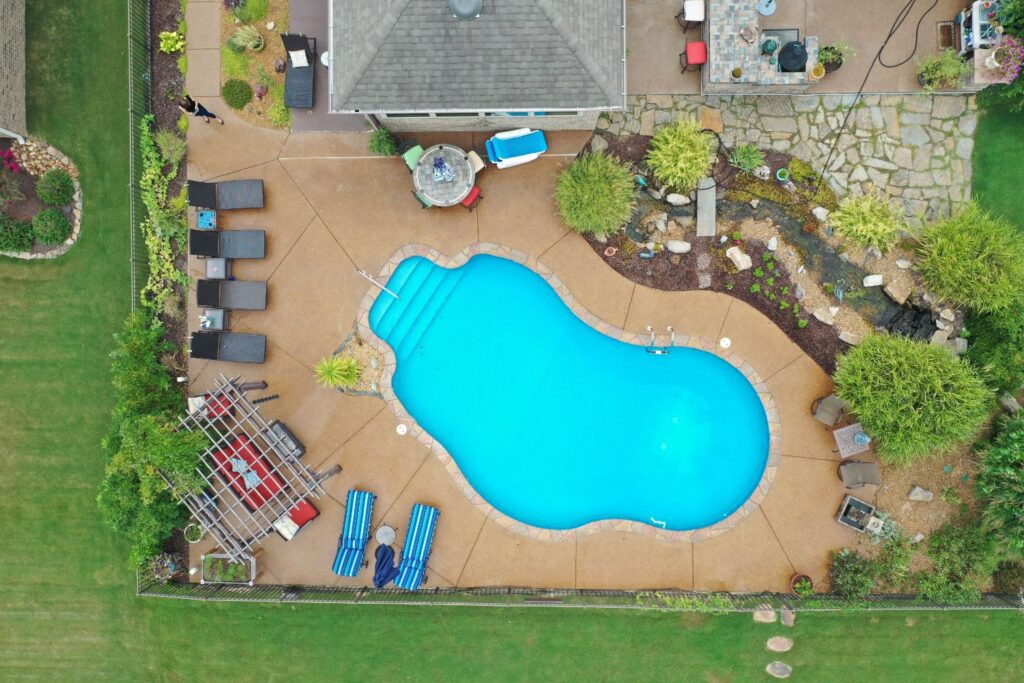
A large custom in-ground pool may circulate a substantial volume of water and require equipment appropriately sized for its capacity. Similarly, pools with frequent use may introduce more oils, dirt, sunscreen, and other contaminants into the water.
This does not mean a larger pool automatically causes a filter to fail sooner. Proper equipment sizing and maintenance can make a significant difference.
The same principle applies to different pool configurations. Whether a property has a smaller residential pool or a larger installation, the filtration system should be matched to the pool’s volume and expected usage.
How Pool Usage Affects Filtration
A pool used frequently will generally accumulate contaminants faster than one that is rarely used.
Swimmers introduce body oils, lotions, hair, dirt, and other materials into the water. Outdoor pools can also collect pollen, insects, leaves, dust, and other environmental debris.
This means filtration requirements can change throughout the year.
During periods of heavy swimming activity, homeowners may need to pay closer attention to circulation, filter pressure, water clarity, and overall equipment performance.
Good filtration also works alongside other aspects of pool care rather than replacing them.
Filter Problems Can Affect Pool Water Quality
When filtration is poor, contaminants can remain in the water longer than they should.
Effective pool water cleaning involves more than simply running the filter. Proper circulation, chemical balance, sanitation, and routine removal of debris all contribute to water quality.
For example, a filter may remove suspended particles, but it cannot replace proper chemical treatment. Likewise, balanced chemicals cannot compensate for a filter that is severely clogged or damaged.
Pool maintenance works best as a complete system.
Consider the Filter Type
If you currently have a cartridge system, replacing it with another cartridge filter may be the simplest option. However, homeowners may also consider whether another filtration technology better suits their maintenance preferences.
The decision should take into account cleaning requirements, available space, operating costs, maintenance habits, and the characteristics of the pool.
Can Pool Features Affect Filtration?
Swimming pools with additional features may place different demands on circulation systems.
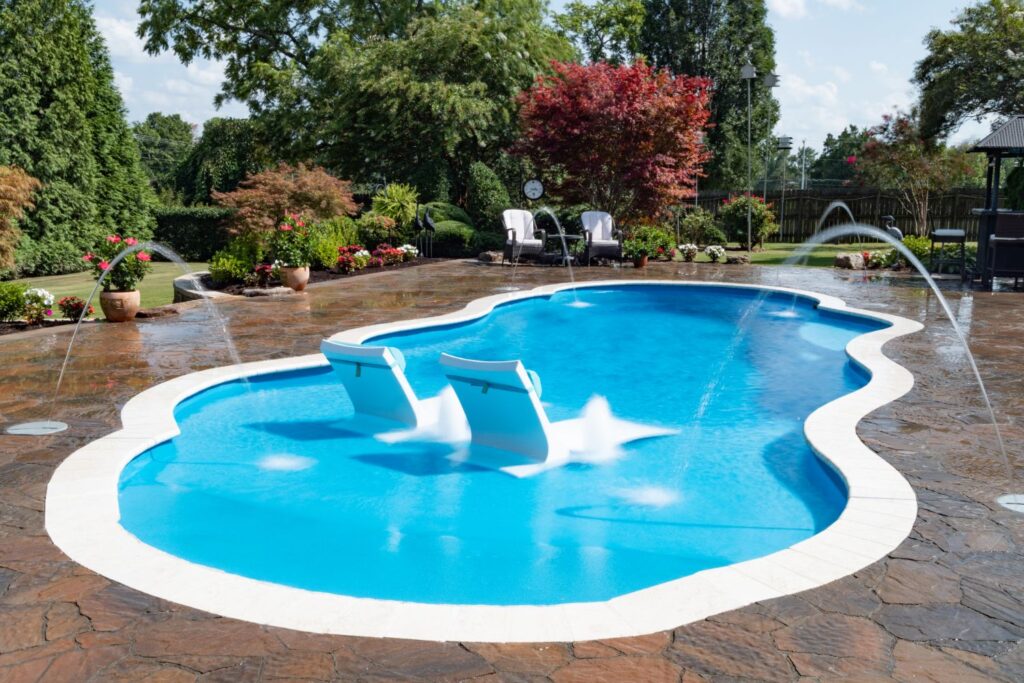
Waterfalls, fountains, jets, and other swimming pool water features can affect water movement and may introduce additional considerations when designing or maintaining the circulation system.
This does not necessarily mean these features cause filter problems. Rather, the entire system should be properly designed so that the pump, filter, plumbing, and features work together.
Planning a pool with waterfalls, fountains, jets, or other water features? Talk to us for professional pool service and repair guidance to help ensure your pump, filter, plumbing, and water features work together efficiently.
.Final Thoughts on Pool Filter Replacement
Pool filters play a central role in keeping swimming pools clear by removing suspended particles and supporting effective circulation. However, even a well-maintained filter will eventually require cleaning, servicing, or replacement.
The most important thing is to recognize the difference between a dirty filter and a failing filter. High pressure, cloudy water, reduced flow, frequent cleaning requirements, and visible damage can all indicate that the system needs attention.
Regular maintenance can help extend equipment life and maintain water quality, but replacement becomes necessary when components are damaged or filtration performance can no longer be restored.
Frequently Asked Questions
1. How long does a pool filter last?
Cartridge filters typically last 3–5 years per cartridge, sand filters 5–7 years before media replacement, and DE filters 5–10 years with proper care. Actual lifespan depends on filter quality, pool usage, bather load, environmental debris, water chemistry, and maintenance frequency. Heavy-use pools or those in dusty/pollen-heavy areas may see shorter intervals. Regular cleaning and correct operating pressure help maximize equipment life.
2. How do I know when my pool filter needs cleaning?
Rising filter pressure (8–10 psi above clean baseline), reduced water flow, and cloudy water are the main signs cleaning is due. Check the pressure gauge on your filter tank and compare it to the “clean” reading noted after the last service. If pressure is elevated and flow from return jets feels weaker, backwash (sand/DE) or rinse/soak the cartridge. Always follow the manufacturer’s recommended cleaning procedure for your filter type.
3. Can a dirty pool filter cause cloudy water?
Yes, a clogged or worn filter can’t capture suspended particles effectively, leading to cloudy or hazy water. However, cloudiness can also stem from imbalanced chemistry (pH, alkalinity, sanitizer), poor circulation, or high bather load. If the filter is dirty, clean or replace the media first, then retest and balance water chemistry. If cloudiness persists after filtration and chemistry are addressed, check for algae, fine particulates, or the need for a clarifier/flocculant.
4. Is it better to repair or replace a pool filter?
Repair is best for minor issues like worn seals, cracked O-rings, or a single damaged cartridge; replacement makes sense for cracked tanks, persistent leaks, or chronically poor performance. If the filter housing is damaged, internal components are corroded, or pressure/flow problems continue after thorough cleaning and part swaps, replacement is more cost-effective. Aging systems (beyond typical lifespan) that need frequent fixes also warrant upgrading to a new, correctly sized unit.
5. How can I extend the life of my pool filter?
Clean on schedule, monitor pressure, maintain balanced water chemistry, and keep skimmer/pump baskets clear to reduce filter load. Run the pump long enough daily to achieve full turnover (often 8–12 hours in peak season). Rinse cartridges gently (no high-pressure spray), and avoid harsh chemicals unless specified. For sand/DE filters, backwash only when needed and recharge DE per manufacturer guidance. Reduce debris with covers, regular skimming, and landscaping maintenance.
6. What’s the difference between cartridge, sand, and DE pool filters?
Cartridge filters use pleated elements to trap debris and are cleaned by rinsing; sand filters use graded sand and are cleaned by backwashing; DE filters use diatomaceous earth powder on grids for the finest filtration. Cartridge systems are compact and don’t require backwashing but need periodic cartridge replacement. Sand filters are durable and simple but may allow finer particles to pass over time. DE filters provide the clearest water but require more involved maintenance and periodic media replenishment.
7. Why does my filter pressure stay high even after cleaning?
Persistent high pressure usually indicates a blockage downstream, damaged media, or a gauge/problem elsewhere in the system. Check for clogged impeller, closed/partially closed valves, dirty pump basket, or obstructed return lines. Inspect cartridges for tears or permanent loading; in sand/DE systems, look for channeling or broken laterals/grids. If pressure remains abnormal after troubleshooting, have a professional evaluate the filtration and plumbing.
8. Does pool size affect how often I need to service the filter?
Larger pools and high-use pools accumulate more contaminants, so filters may require more frequent cleaning, but correct equipment sizing matters most. A properly sized filter for the pool’s gallon volume and bather load will maintain pressure and clarity longer. Undersized filters clog faster and strain the pump. If you’ve added features (spas, waterfalls) or increased usage, reassess turnover time and service intervals.
9 Can I run my pool without a filter temporarily?
It’s not recommended; running without a filter allows debris and particulates to circulate, increasing cloudiness and equipment wear. In emergencies (e.g., waiting for parts), minimize pump runtime, keep the pool covered, and manually remove debris. Resume normal filtration as soon as possible and rebalance chemistry. Prolonged unfiltered operation can lead to algae growth and clogged plumbing.
10. How often should I backwash a sand or DE filter?
Backwash when the pressure gauge reads 8–10 psi above the clean starting pressure, or when flow noticeably drops. Typical frequency ranges from every 2–6 weeks in peak season, depending on bather load and debris. Avoid over-backwashing, which wastes water and can reduce filtration efficiency. After backwashing a DE filter, replenish the recommended amount of DE powder per the manufacturer’s specs.